









3 Profit-Killing Problems Facing Your Business
A Focus Problem
Your company and employees seem to lack focus. The mission and vision statements on the wall seem hollow, and your people appear to be rowing in different directions. Hazy expectations allow individual work to fill the available time.
These are all FOCUS issues.
With the right training, you can develop a culture of performance and accountability, and succeed in gettin everyone rowing in the same direction at the same time.
Solution: COUNTER Leadership™
A Leadership Problem
You've invested in good people, but keeping them motivated is a struggle. Poor performance and frequent turnover is killing profits and slowing your growth. You find yourself "doing everything," and you're burning out. Worse, your newest employees question everything your doing...
These are all leadership training issues.
With the right training, you reduce turnover, dramatically impact results, change your culture, and make work fun again.
Solution: 1-on-1 Management®
A Revenue Problem
Your sales revenue is disappointing. Margins are falling. Only a few of your salespeople seem to achieve their annual objectives. Many of your salespeople seem more like professional visitors than trained sales professionals.
These are all sales training issues.
With the right training, your sales team can rebuild your sales pipeline, dramatically improve sales revenue AND margins, and win bigger opportunities more often.
Solution: Effective Sales Training
Podcast: Sales [UN]Training!
Welcome to Sales [UN]Training...a very different kind of sales podcast!
For years, I've watched sales teams struggle to improve. And the answer always seems to be, "we just need sales training." The problem is sales training isn't producing the results that we intend!! American corporations invest $70 billion in sales training every year, and yet three-out-of-four salespeople are failing.
Why doesn't sales training work? That's what this sales podcast is about.
It's your weekly sales strategy guide designed to rewire your sales brain.
Sales [UN]Training - TRAILER
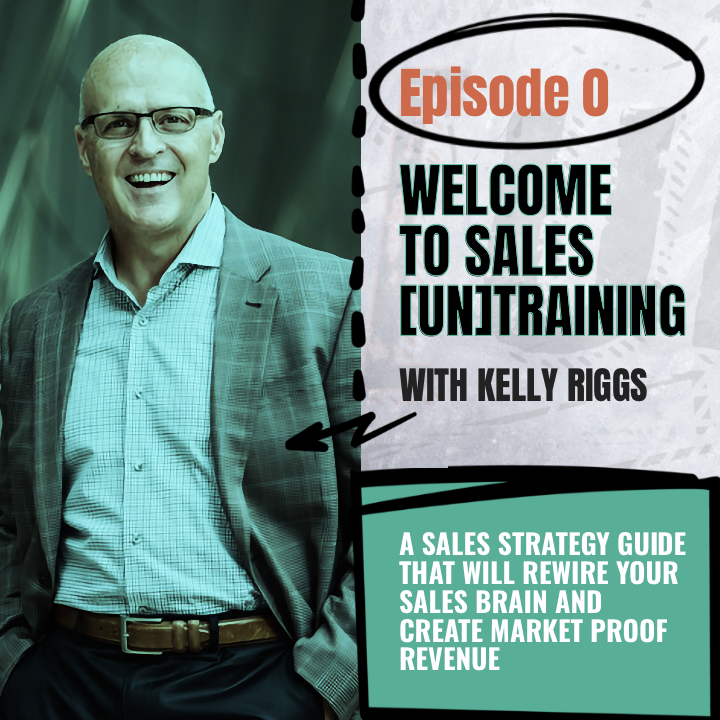
Episode 1
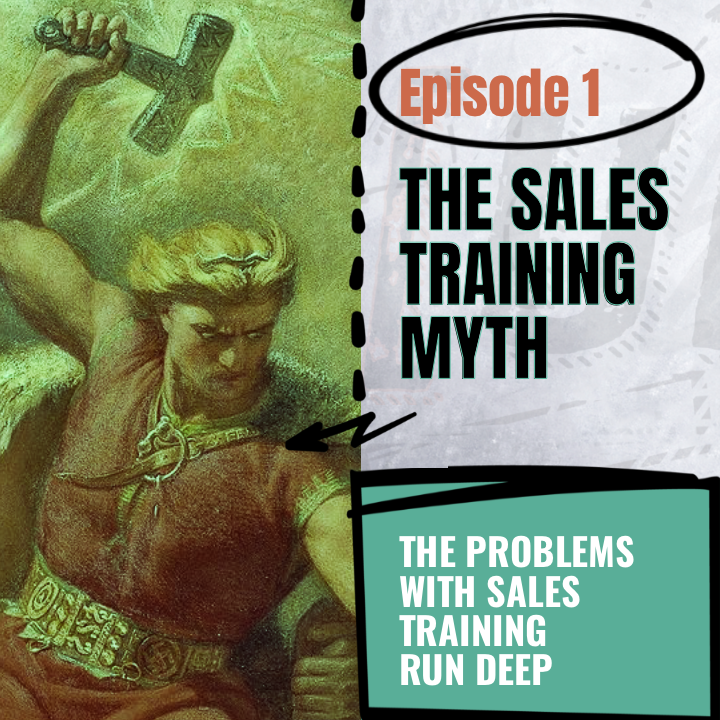
Episode 3
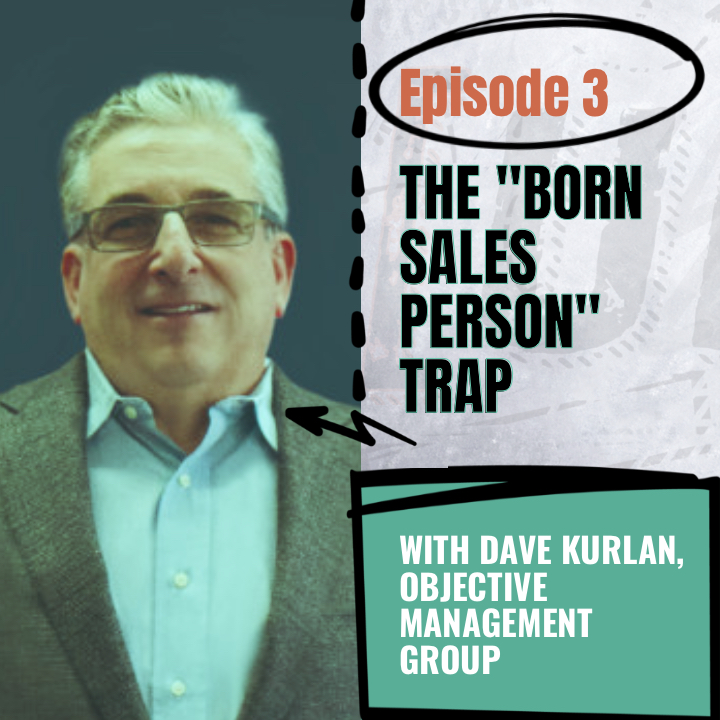

"If you're looking for good books to read...
"...a good sales expert to follow, an Internet radio show to listen to, a sales trainer, speaker, or consultant, I highly endorse Kelly Riggs. His work on sales and sales leadership ranks among the finest you'll find."
Mike Kunkle // VP, Sales Transformation Services
Kelly's Books
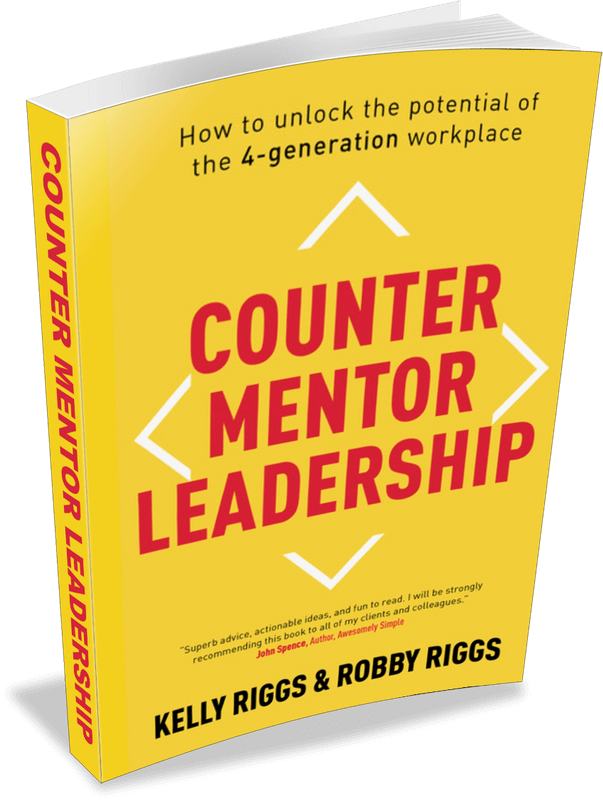
Counter Mentor Leadership is not just about leading Millennials, it's about adapting to a workplace that has radically changed in the past 15 years. Technology - and a generation tethered to technology - has created enormous change in every company. Distractions have multiplied. Jobs are increasingly more complex (at every level). Generational conflict is a very real problem.
"Shamelessly funny; brilliantly written..."


"As entertaining as it is insightful, Counter Mentors will help you understand, navigate, and most importantly lead the multigenerational workplace by offering a unique mash-up of an old-school boomer and a know-it-all millennial—and neither one is holding back any punches. Shamelessly funny and brilliantly written; just don’t let the laughs get in the way of the many important leadership lessons—for every generation!"
Tom Kolopolous, author of The Gen Z Effect.
“This is a fantastic book, one of the very few I would call a “MUST read.” Superb advice, actionable ideas, and fun to read. I will be strongly recommending this book to all of my clients and colleagues.”
John Spence, author of Awesomely Simple, and one of the top 100 business and leadership experts in America

"In Counter Mentor Leadership, Kelly and Robby Riggs provide you the tools, resources, and wisdom to tackle this job head on. Reading this book is just like having a conversation with Kelly and Robby – engaging, fast-paced, lots of laughs, and peppered with practical leadership insights. Put their ideas into practice and watch your leadership rise to the next level.”
Randy Conley, V.P. Client Services & Trust Practice Leader, The Ken Blanchard Companies
Quit Whining
and Start SELLING!
A Step-by-Step Guide to a
Hall-of-Fame Career in Sales
Learn the critical selling skills you've never been taught to reach your sales goals!

1-on-1 Management®
What Every Great Manager
Knows That You Don't
Learn how to transform
employee potential
into real performance!